Rank your friends. Try not to take offence.
No Offence is a chaotic, honest and interactive party game where players discover exactly how their friends see them.
Each round, one player ranks the group against a question or hypothetical scenario. Your position in the ranking determines how many points you receive. The player with the highest score at the end wins.
Age: 18+
Players: 4+
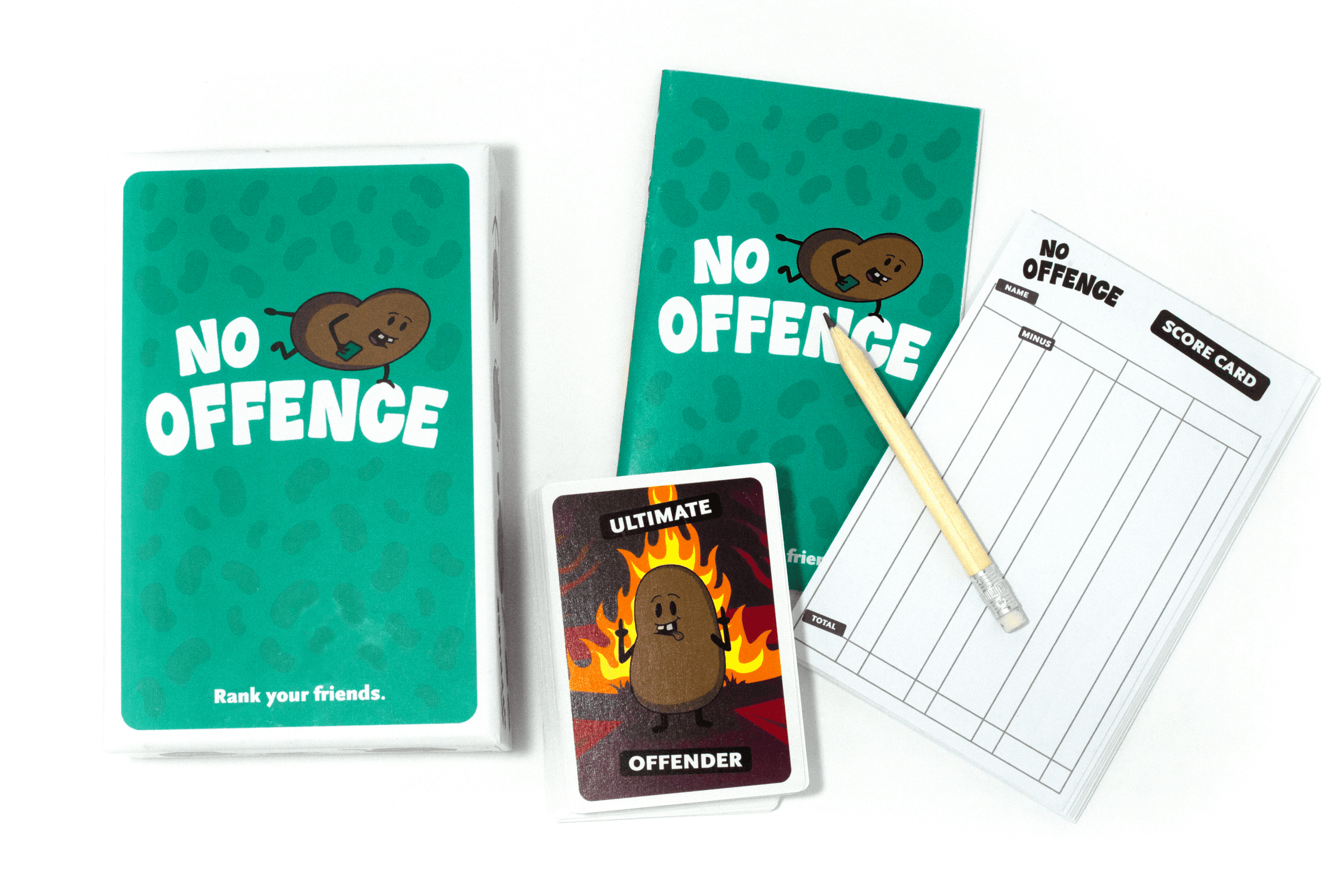
What’s in the Box?
- 116 question cards
- 14 special cards
- Scoresheets
- Gameplay manual
- Pencil
Setting Up the Game
- Gameplay continues clockwise.
- Shuffle the question cards and place them face down in the centre of the group.
- The heaviest player draws the first card.
- That player becomes the Ranker for the first round.
How a Round Works
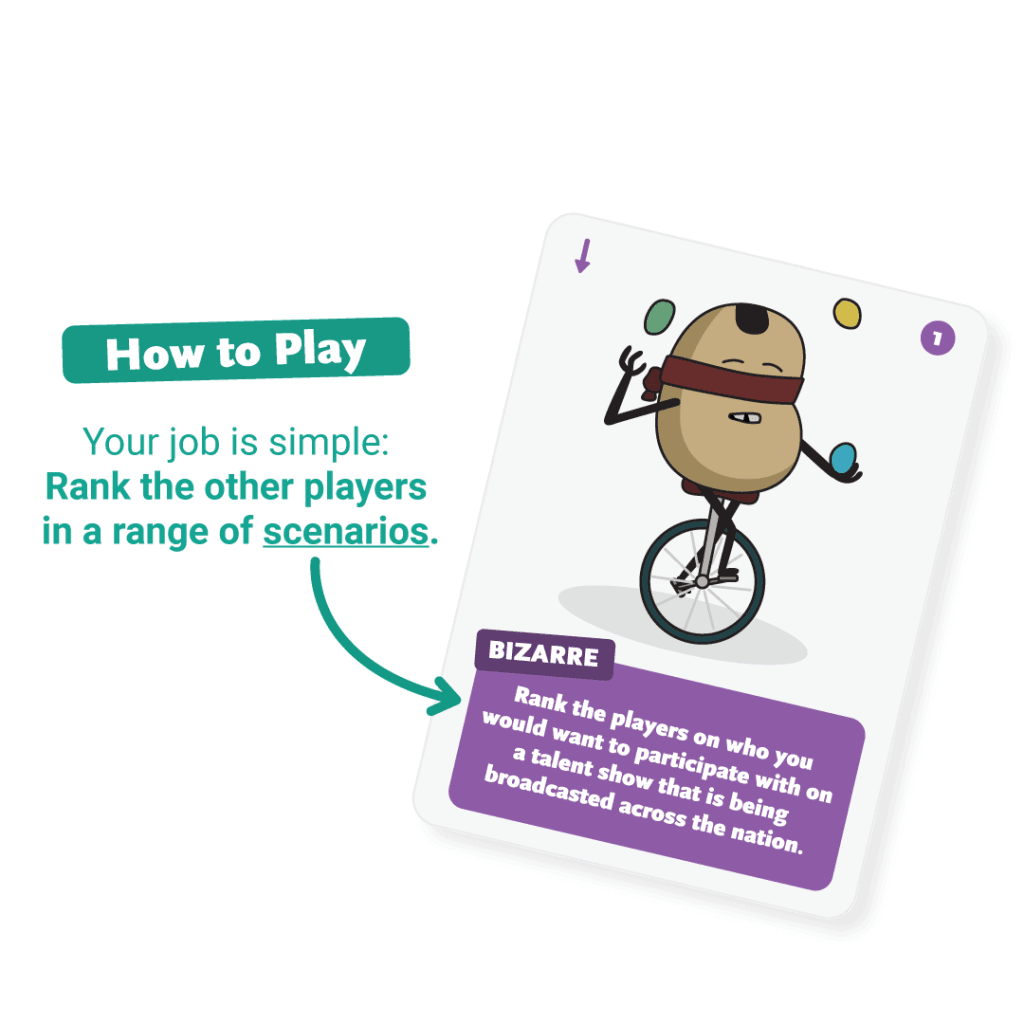
1. Draw and Read
The Ranker draws one card and reads the question or scenario aloud.
2. Rank the Players
The Ranker ranks everyone else based on their honest perception of the question.
The Ranker is not included in the ranking.
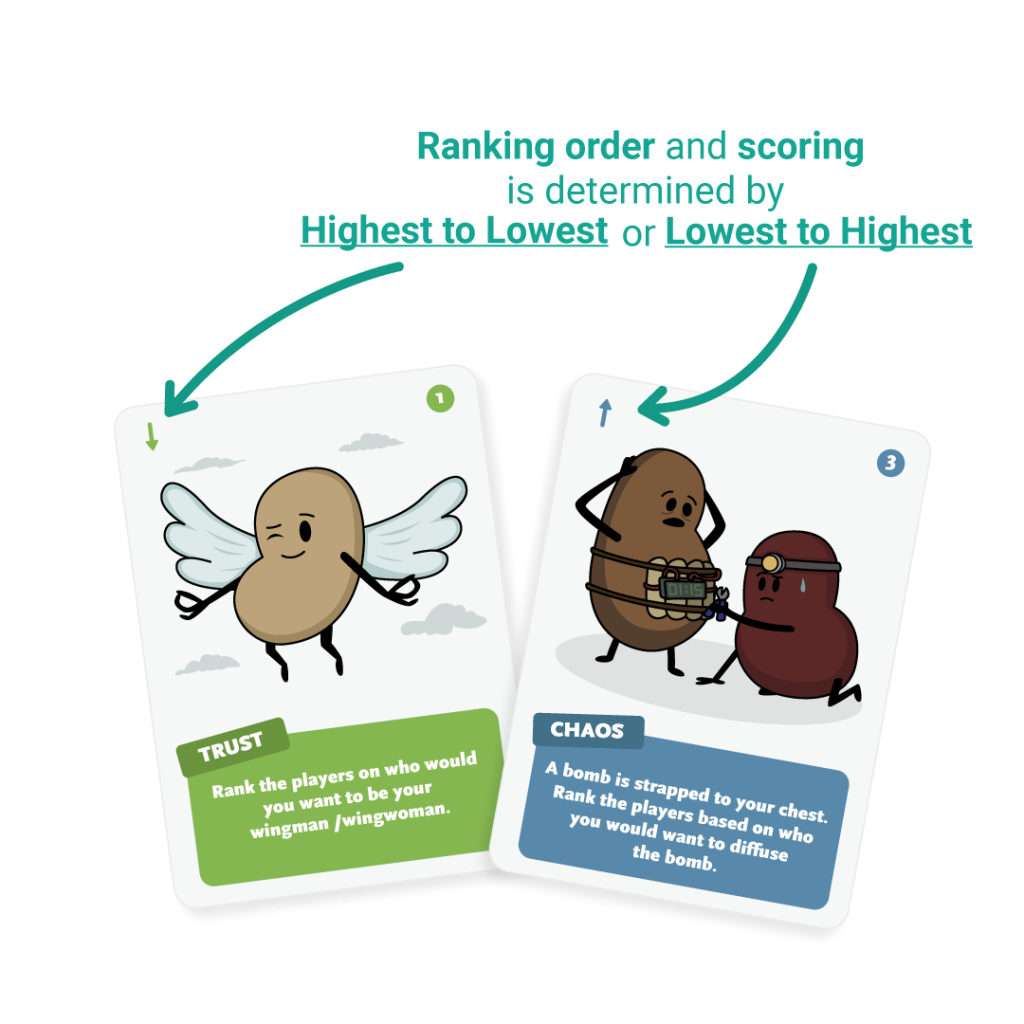
Each card shows the direction in which the ranking must be revealed:
- Highest to Lowest
- Lowest to Highest
Once the question has been read, the other players must not attempt to influence the Ranker.
3. Reveal the Ranking
The Ranker reveals their complete ranking in the direction shown on the card.
Once the ranking has been finalised, it cannot be changed.
The Ranker should also give at least a one-sentence explanation for their highest and lowest selections. Honesty is encouraged—possibly against everyone’s better judgement.
4. Record the Scores
The Ranker records the points and any penalties on the scoresheet.
Once scoring is complete, the player to the Ranker’s left becomes the Ranker for the next round, unless a special card says otherwise.
Scoring
Your ranking position determines how many points you receive.
For example, in a game with six players:
- One person is the Ranker.
- Five players are ranked.
- The most valuable position receives five points.
- The next player receives four points.
- Scoring continues down to one point.
When the card says Highest to Lowest, the highest-ranked player receives the most points.
When the card says Lowest to Highest, the lowest-ranked player receives the most points.
Offensiveness Points
Each question card also has an Offensiveness Rating from 1 to 5.
The more offensive the question, the more points the Ranker receives. The Ranker adds the card’s Offensiveness Rating to their own score for that round.
Taking Offence
React carefully.
The Ranker may deduct one point whenever they believe another player has taken offence.
Taking offence may include:
- A sigh
- A tut
- A “woah”
- A frown
- Verbal disagreement
- Complaining about the ranking
- Attempting to influence the Ranker
Repeated offences may result in multiple one-point deductions.
Key Rules
Honesty Comes First
Rank players according to what you genuinely think—not according to what will cause the least trouble later.
Do Not Influence the Ranker
Once the question has been read, players must not argue their case, campaign for a position or attempt to influence the result.
Follow the Card Direction
Rankings must begin with either the highest-ranked or lowest-ranked player, as shown on the card.
You Cannot Pass
Players may not refuse to be the Ranker unless a card specifically allows it.
Draw One Card Per Turn
A player may draw only one card during their turn, whether it is a question card or a special card.
One Special Card Per Round
Only one special card may be used during a round.
Be Creative
Some questions are intentionally vague. The Ranker may decide the specific details of the hypothetical scenario before completing their ranking.
Ending the Game
Choose how long you want to play before beginning.
The game may end:
- When a player reaches an agreed target score.
- When the Ultimate Offender card is drawn.
- After an agreed number of question cards.
- When the question card deck runs out.
For a first game with four to six players, we recommend a winning target of 50 points.